

Clear records
history record
Common Bus Accident Scenarios and Corresponding Solutions
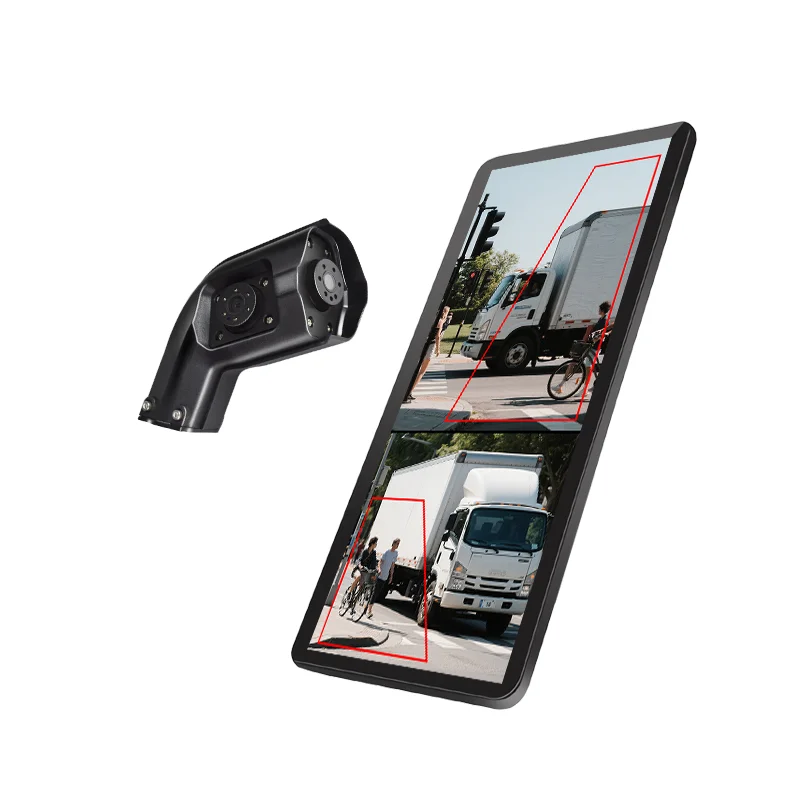
1. Collisions with Pedestrians and Non-Motorized Vehicles in Blind Spots
Due to their large size and extensive blind spots, buses are highly prone to overlooking pedestrians and non-motorized vehicles to their sides and rear—particularly at intersections, during passenger boarding and alighting at stops, or when changing lanes—leading to scrapes and collisions.
Solution: Install electronic rearview mirrors specifically designed for buses. These systems transcend the limitations of traditional mirrors, completely eliminating body blind spots and providing real-time, high-definition video feeds of the sides and rear. This allows drivers to anticipate surrounding traffic dynamics in advance and effectively mitigate the risk of collisions involving people and vehicles.
2. Scrapes and Collisions During Lane Changes, Overtaking, and Turning
Given their long bodies and wide turning radii, buses are susceptible to scraping adjacent vehicles during high-speed lane changes or turns at intersections, presenting significant safety hazards.
Solution: Electronic rearview mirrors utilize wide-angle, high-definition imaging to provide a broader and more comprehensive field of view. Drivers no longer need to turn their heads to check blind spots; instead, the screens clearly display surrounding traffic conditions in real time, facilitating smooth vehicle operation and reducing the occurrence of scraping accidents.
3. Accidents Caused by Obstructed Visibility in Rain, Fog, or Glare
In rainy or foggy weather—or at night when facing the blinding glare of oncoming headlights—traditional mirrors often become blurred by reflections, severely obstructing visibility. This makes drivers highly prone to misjudging distances or conditions, potentially leading to accidents.
Solution: Electronic rearview mirrors feature anti-glare, waterproof, and anti-shake capabilities. Whether in rainy nights, foggy conditions, or under intense nighttime glare, the video feed remains clear and sharp, unaffected by weather or lighting conditions. This ensures consistent, reliable visibility for the driver around the clock.
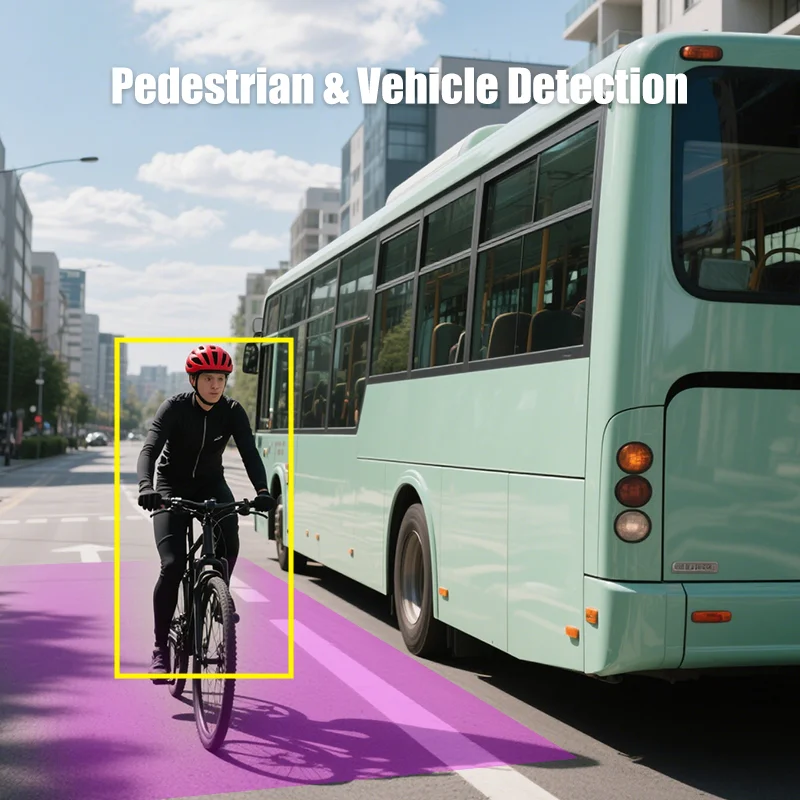
4. Safety Incidents During Passenger Boarding and Alighting at Stops
Bus stops are characterized by dense passenger flow; the bus body itself can obstruct the driver's view, making it easy to overlook pedestrians or electric vehicles approaching from the periphery, potentially resulting in accidental bumps or scrapes.
Solution: Electronic rearview mirrors provide real-time coverage of the bus stop area and the immediate vicinity of the vehicle body, eliminating visual obstructions. This allows drivers to clearly observe the environment surrounding the boarding and alighting process, accurately monitor both vehicle status and passenger flow, and safeguard the safety of both passengers and passersby.
5. Accidents Caused by Visual Fatigue During Long-Distance Driving
Traditional rearview mirrors offer a limited field of view, forcing drivers to frequently turn their heads to check blind spots. During long-duration driving, this repetitive motion can lead to visual fatigue and distraction, thereby increasing the likelihood of operational errors.
Solution: A large-format screen displays multiple high-definition video feeds in real time, providing a centralized and intuitive field of view. This eliminates the need for frequent head-turning to scan the surroundings, thereby reducing driver fatigue and enhancing both safety and comfort during long-distance travel.
Frequently Asked Questions
1. What is an electronic rearview mirror for buses?
An electronic rearview mirror is a camera-based visibility system that replaces or supplements traditional mirrors, providing drivers with real-time HD views of surrounding traffic and blind spots.
2. How does an electronic rearview mirror improve bus safety?
It expands the driver’s field of view, eliminates blind spots, and helps prevent collisions with pedestrians, cyclists, and nearby vehicles during turning, lane changes, and stop operations.
3. Can electronic rearview mirrors work in bad weather or at night?
Yes. Most electronic rearview mirror systems feature waterproof cameras, anti-glare technology, and night vision capabilities to maintain clear visibility in rain, fog, and low-light conditions.
4. Are electronic rearview mirrors suitable for long-distance bus operations?
Absolutely. By displaying multiple camera views on one screen, electronic rearview mirrors reduce the need for frequent head-turning, helping minimize driver fatigue during long trips.
5. What features should operators look for in an electronic rearview mirror system?
Key features include HD wide-angle cameras, blind spot coverage, anti-glare displays, waterproof design, night vision, and multi-view screen support for safer bus operation.