

Clear records
history record
Commercial Truck Camera Systems for Fleet Management with AI Safety
In modern logistics and transportation, visibility and data are no longer optional—they are operational necessities. As fleets expand and regulations tighten, businesses are increasingly turning to commercial truck camera systems to reduce risk, improve driver behavior, and gain real-time control over distributed vehicle operations.
In this blog post, HOPE, as high performance truck fleet camera systems factory, will share the advantages of commercial truck camera systems for fleet management with AI safety, combining practical insights with high-impact keyword coverage for decision-makers evaluating scalable solutions.
Why Commercial Truck Camera Systems for Fleet Management Are No Longer Optional
Fleet operators today face a complex mix of challenges: rising accident rates, insurance costs, driver shortages, and compliance pressures. Traditional monitoring methods—manual logs or basic GPS tracking—fail to provide the actionable insights needed to address these issues.
Modern commercial truck camera systems for fleet management integrate multiple technologies into a single platform:
AI-powered video analytics
Real-time GPS tracking
Driver monitoring systems (DMS)
Advanced driver assistance systems (ADAS)
Cloud-based fleet video telematics
This convergence allows fleet managers to not only observe but actively manage safety and efficiency.
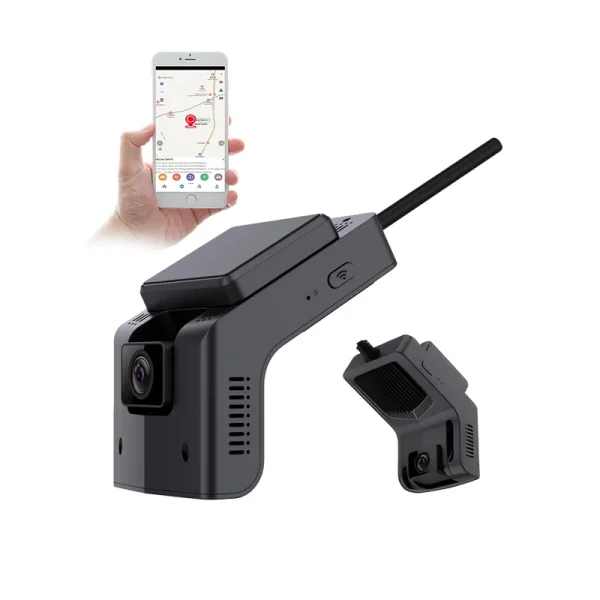
AI Safety in Commercial Truck Camera Systems: A Functional Breakdown
AI safety is the defining upgrade in next-generation fleet camera systems. Unlike passive recording devices, AI-enabled solutions actively interpret driving behavior and road conditions.
ADAS Integration for Road Awareness
Advanced Driver Assistance Systems (ADAS) help detect:
Forward collision risks
Lane departure events
Unsafe following distances
By integrating ADAS into commercial truck camera systems for fleet management with AI safety, fleets can reduce accident frequency and improve driver response time.
DSM Technology for Driver Behavior Monitoring
Driver Status Monitoring (DSM) focuses on in-cabin analysis:
Fatigue detection
Distraction alerts (phone usage, smoking)
Seatbelt compliance
Dual-channel camera systems—with front-facing and interior cameras—enable comprehensive monitoring. This is especially critical in taxi fleets, ride-hailing services, and long-haul trucking operations.
Dual Channel Dash Cam Systems for Fleet Visibility
A key feature of modern solutions is dual-channel video recording, combining:
Front camera (FHD 1080P, wide-angle)
Captures road conditions, traffic flow, and license platesInterior camera with IR night vision
Monitors driver behavior and in-cabin activity, even in low-light environments
This configuration is widely adopted in:
Commercial trucking fleets
Taxi and ride-hailing platforms (Uber, Lyft, Grab, etc.)
Logistics and delivery vehicles
For fleet managers, dual-channel commercial truck camera systems for fleet management provide complete situational awareness—both outside and inside the vehicle.
4G Connectivity and Real-Time Fleet Monitoring Solutions
One of the most impactful upgrades in recent years is the integration of 4G connectivity.
Real-Time Video Streaming and Remote Access
With 4G-enabled systems, fleet managers can:
Access live video feeds from anywhere
Review incidents instantly
Monitor driver behavior in real time
This transforms traditional dash cams into real-time fleet monitoring systems, significantly improving response speed in critical situations.
Mobile App Integration for Fleet Control
Modern systems include mobile applications that allow:
Remote vehicle monitoring
Instant playback of recorded footage
Real-time driving path visualization
The ability to monitor vehicles remotely ensures operational transparency, especially for geographically dispersed fleets.
GPS Tracking and Video Telematics Integration
GPS tracking is no longer a standalone feature—it is now deeply integrated into commercial truck camera systems for fleet management with AI safety.
Benefits of GPS-Enabled Camera Systems
Real-time vehicle location tracking
Historical route playback
Geofencing alerts
Theft prevention and recovery
When combined with video data, GPS tracking evolves into video telematics, offering context-rich insights into fleet operations.
For example, instead of just knowing where a truck is, managers can see:
What happened at a specific location
How a driver responded to road conditions
Whether safety protocols were followed
Night Vision and Low-Light Monitoring for 24/7 Operations
Fleet operations often extend into nighttime or low-visibility environments. Standard cameras struggle under these conditions, but modern systems include:
Infrared (IR) night vision
Automatic light sensors
High dynamic range imaging
These features ensure continuous monitoring regardless of lighting conditions, making commercial truck camera systems for fleet management reliable across all operational scenarios.
Loop Recording and Data Continuity in Fleet Camera Systems
A practical but critical feature is loop recording, which ensures uninterrupted data capture.
How Loop Recording Supports Fleet Operations
Automatically overwrites oldest footage when storage is full
Eliminates need for manual data management
Ensures continuous recording during long operations
This is especially important for:
Long-haul trucking
High-frequency delivery fleets
Taxi and ride-sharing services
By maintaining continuous recording, fleets can always access recent footage when incidents occur.
Commercial Truck Camera Systems for Risk Reduction and Insurance Benefits
Insurance providers increasingly recognize the value of AI-powered fleet camera systems.
Key Risk Reduction Benefits
Reduced accident rates through proactive alerts
Faster claims resolution using video evidence
Lower liability exposure in disputed incidents
Fleets using commercial truck camera systems for fleet management with AI safety often experience:
Reduced insurance premiums
Improved safety scores
Stronger compliance records
Fleet Management Use Cases Across Industries
The versatility of these systems allows deployment across multiple sectors:
Logistics and Delivery Fleets
Optimize routes with GPS tracking
Monitor driver efficiency
Reduce delivery disputes
Taxi and Ride-Hailing Fleets
Ensure passenger and driver safety
Record in-cabin events
Enable SOS emergency alerts
Construction and Industrial Vehicles
Monitor blind spots
Improve operational safety
Reduce equipment misuse
Choosing the Right Commercial Truck Camera System for Fleet Management
Selecting the right solution requires balancing performance, scalability, and integration capabilities.
Key Factors to Consider
AI Functionality
Ensure the system includes ADAS and DSM featuresConnectivity
4G or higher for real-time monitoringCamera Quality
Minimum FHD 1080P with wide-angle coverageStorage and Recording
Loop recording and cloud backup optionsPlatform Integration
Compatibility with existing fleet management systemsEase of Use
Intuitive mobile app and dashboard
Future Trends in Commercial Truck Camera Systems for Fleet Management
The evolution of fleet camera systems is accelerating, driven by advancements in AI and connectivity.
Emerging Trends
AI-powered predictive risk analysis
Integration with autonomous driving systems
Edge computing for faster in-vehicle processing
5G-enabled ultra-low latency video transmission
As these technologies mature, commercial truck camera systems for fleet management with AI safety will become even more central to fleet operations.
Conclusion
The shift toward intelligent fleet management is no longer a future concept—it is happening now. Businesses that adopt commercial truck camera systems for fleet management with AI safety gain a measurable advantage in safety, efficiency, and operational control.
From dual-channel recording and AI-driven alerts to GPS tracking and real-time video monitoring, these systems provide a comprehensive solution for modern fleet challenges. More importantly, they enable a transition from reactive management to proactive decision-making.
For fleet operators seeking scalable growth, reduced risk, and improved driver accountability, investing in AI-powered truck camera systems is not just a technological upgrade—it is a strategic necessity.