

Clear records
history record
AI Dash Cam for Truck Fleet Safety and Driver Behavior Tracking
The rapid evolution of connected vehicle technology has reshaped how logistics companies manage safety, compliance, and operational efficiency. Among these innovations, an AI-powered in-vehicle recording solution designed for commercial transport has become a central tool for fleet operators who need real-time visibility, accurate incident records, and intelligent driver analysis.
Rather than functioning as a simple recording device, today’s systems combine artificial intelligence, cloud connectivity, and multi-channel video capture to create a continuous safety ecosystem. This shift is especially significant for long-haul trucking and urban delivery fleets, where risk exposure is high and operational oversight is complex. In this blog post, HOPE CCTV, as high quality commercial vehicle 360 camera system supplier, will share the the advantages of AI Dash Cam for truck fleet safety and driver behavior tracking.
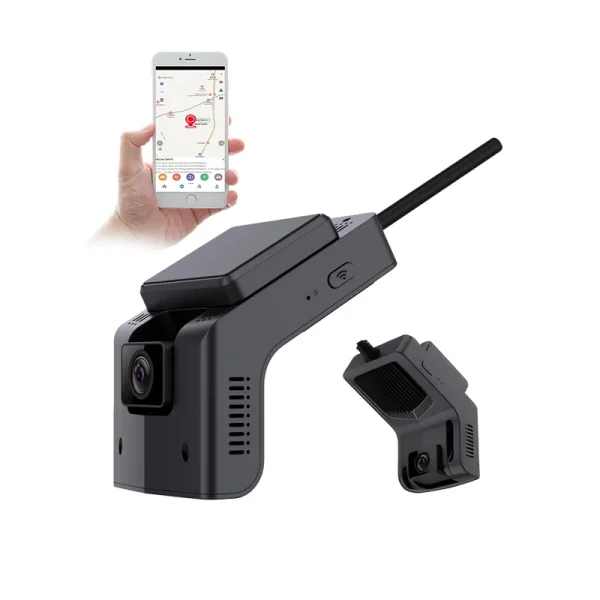
Role of AI in Modern Fleet Video Intelligence
Artificial intelligence has transformed traditional dash cameras into intelligent monitoring systems capable of interpreting driving behavior, road conditions, and in-cabin activity. Instead of passively recording footage, an AI-driven setup actively analyzes motion patterns, detects unsafe behavior, and triggers alerts when necessary.
In a typical configuration, an AI Dash Cam for Truck Fleet integrates multiple sensing modules, including road-facing cameras, in-cabin lenses, and telemetry inputs. These components work together to provide a holistic view of driving conditions and operator performance.
Key AI functions often include lane departure detection, forward collision warnings, fatigue identification, and distraction monitoring. These capabilities are particularly valuable for fleet managers aiming to reduce accident rates and improve driver accountability without relying solely on manual review of recorded footage.
Dual-Channel Architecture for Comprehensive Coverage
A core feature of modern fleet video systems is dual-channel recording. This configuration allows simultaneous capture of both external road conditions and internal cabin activity. The front-facing lens is typically optimized for high-definition road capture, ensuring license plates, traffic signals, and surrounding vehicles are clearly visible.
Meanwhile, the interior-facing camera provides visibility into driver behavior, passenger activity, and in-cabin incidents. Infrared night vision ensures that recording remains effective in low-light or nighttime driving conditions.
This dual-stream approach significantly improves incident reconstruction accuracy. Fleet operators gain access to synchronized footage that can clarify liability, driver actions, and environmental factors during any event.
In many deployments, a commercial vehicle 360 camera system is integrated alongside dual-channel recording to eliminate blind spots around the vehicle. This panoramic visibility helps reduce collision risks during lane changes, parking, and tight maneuvering in urban environments.
Driver Behavior Tracking and Safety Intelligence
Driver behavior analysis has become a cornerstone of modern fleet management strategies. By interpreting real-time data from onboard sensors and video feeds, AI systems can identify patterns such as harsh braking, rapid acceleration, distracted driving, and prolonged fatigue signs.
This information is not only recorded but also categorized into actionable insights. Fleet managers can review driving scores, behavioral trends, and risk indicators over time. The goal is not surveillance, but rather proactive safety optimization.
In addition, integration with an AI Dash Cam for Truck Fleet enables automated alerts when unsafe behavior is detected. These alerts can be transmitted instantly to fleet supervisors or stored for later review depending on operational preferences.
Over time, this continuous feedback loop encourages safer driving habits and reduces the likelihood of preventable accidents across the fleet.
GPS Tracking and Route Intelligence Integration
Modern fleet video systems are rarely limited to visual recording alone. GPS tracking functionality adds another layer of operational intelligence by mapping vehicle movement in real time. Every trip is logged with precise geolocation data, allowing fleet operators to reconstruct routes, monitor deviations, and optimize logistics planning.
When combined with video data, GPS tracking provides contextual clarity. For example, any incident can be reviewed alongside exact route positioning, speed data, and environmental conditions at the time of occurrence.
A 4g ai dashcam enables this level of connectivity by transmitting data continuously over cellular networks. This ensures that fleet managers can access live footage and location updates from virtually anywhere, without waiting for manual data downloads.
Such integration is especially valuable for distributed fleets operating across large geographical regions, where centralized oversight is otherwise difficult to maintain.
Cloud Connectivity and Remote Monitoring Capabilities
Cloud-based infrastructure has become a critical component of modern fleet surveillance systems. Instead of storing footage locally only, recordings are automatically uploaded to secure servers for remote access and long-term retention.
This allows fleet operators to retrieve historical data, review incidents, and analyze driver behavior patterns without physically accessing the vehicle. Remote monitoring through mobile applications further enhances operational flexibility.
In many cases, a 4g ai dashcam supports live streaming functionality, enabling real-time observation of road conditions and driver activity. This is particularly useful for high-risk transport operations where immediate response capability is required.
Cloud integration also supports scalability, allowing fleets to expand without being constrained by onboard storage limitations or manual data management processes.
ADAS, DSM, and CMS Safety Systems Integration
Advanced Driver Assistance Systems (ADAS), Driver State Monitoring (DSM), and Camera Monitoring Systems (CMS) are increasingly integrated into modern fleet video solutions.
ADAS features focus on external driving safety, including lane departure warnings, forward collision alerts, and headway monitoring. DSM systems analyze driver condition, detecting fatigue, distraction, or unsafe posture. CMS components manage visual coverage across multiple angles, enhancing situational awareness.
Together, these systems form a layered safety architecture that significantly reduces operational risk. When embedded into an AI Dash Cam for Truck Fleet setup, they provide continuous feedback that supports both immediate intervention and long-term behavioral improvement.
Night Vision Performance and Low-Light Reliability
Night driving presents unique challenges for commercial transportation, including reduced visibility, slower reaction times, and increased accident risk. To address this, modern fleet camera systems are equipped with infrared-enhanced night vision capabilities.
Interior cameras can maintain clear image quality even in complete darkness, while road-facing lenses adjust exposure dynamically to capture moving objects and road conditions accurately.
This ensures that critical incidents are not missed due to lighting limitations. It also allows fleet managers to maintain consistent monitoring standards across all hours of operation.
Mobile Application Control and Real-Time Accessibility
Mobile integration has become a defining feature of modern fleet monitoring solutions. Through dedicated applications, fleet managers can access live video feeds, historical footage, GPS data, and driver behavior analytics directly from smartphones or tablets.
This level of accessibility ensures that decision-makers are not tied to control centers or desktop systems. Instead, they can respond to incidents, review driver activity, and monitor vehicle status in real time from virtually any location.
Features such as SOS alerts further enhance responsiveness, allowing drivers to send emergency signals directly through the system when needed.
Data Storage, Loop Recording, and System Continuity
Efficient data management is essential in continuous recording environments. Loop recording ensures that storage limitations do not interrupt system functionality. When storage reaches capacity, older files are automatically overwritten by new recordings.
This process ensures uninterrupted surveillance while maintaining the most recent and relevant data. Critical footage can typically be protected manually or automatically flagged by AI-triggered events, preventing accidental overwriting.
Such systems are designed to operate continuously without requiring manual intervention, making them highly suitable for long-distance trucking operations.
Fleet Compliance and Operational Transparency
Regulatory compliance is a growing concern in commercial transportation. Video-based monitoring systems help fleets maintain transparent records of driving behavior, route adherence, and incident reporting.
This transparency supports internal audits, insurance assessments, and regulatory investigations. It also encourages accountability across driver teams by maintaining an objective record of operational activity.
When deployed at scale, AI Dash Cam for Truck Fleet solutions become a foundational part of compliance frameworks within logistics organizations.
System Reliability and Installation Considerations
Installation quality plays a significant role in system performance. Proper camera positioning ensures optimal field of view, while stable power integration prevents recording interruptions. Wired and wireless configurations are available depending on fleet requirements and vehicle types.
Environmental durability is also a key consideration. Fleet systems must withstand vibration, temperature fluctuations, and long operational hours without degradation in performance.
A properly deployed setup ensures consistent data capture and minimizes maintenance requirements over time.
Integrated Multi-Angle Vehicle Awareness
For fleets requiring enhanced situational awareness, multi-angle coverage solutions are often deployed in combination with standard dual-channel systems. A commercial vehicle 360 camera system provides panoramic visibility, eliminating blind spots and improving maneuvering safety in complex environments.
This is particularly useful in dense urban logistics operations where space constraints and pedestrian activity increase operational risk.
When combined with AI analysis, multi-angle visibility contributes to more accurate incident detection and improved spatial awareness for drivers.
Connectivity, Transmission, and Real-Time Data Flow
Stable connectivity is essential for real-time monitoring and remote access features. Cellular-based transmission ensures that data is continuously synced between vehicles and cloud platforms.
This enables uninterrupted access to live video feeds, GPS tracking, and system alerts. In areas with weaker signal strength, data buffering ensures that recordings are preserved and uploaded once connectivity is restored.
A 4g ai dashcam plays a central role in maintaining this continuous data flow, ensuring that fleet intelligence remains active regardless of geographic constraints.
Conclusion
AI-driven video systems have become indispensable in modern fleet operations. By combining intelligent behavior analysis, multi-channel recording, GPS tracking, and cloud-based accessibility, they provide a comprehensive safety and management framework for commercial transportation.
From driver behavior monitoring to real-time route tracking and advanced safety assistance systems, these technologies create a connected ecosystem that supports both operational efficiency and risk reduction.
As fleet operations continue to scale globally, intelligent video solutions will remain a key component in ensuring safer roads, improved accountability, and more efficient logistics management.