

Clear records
history record
360° Panoramic System: Eliminating Fire Truck Blind Spots for Safer Rescues
Purpose:
Blind spots caused by the vehicle structure: Fire trucks are generally large in size and high in body. The position of the cab is relatively high and forward. This leads to blind spots at the front, rear, left and right of the vehicle. For example, in the area close to the front of the vehicle, it is difficult for the driver to observe due to the angle of view. At the rear of the vehicle, because the body is long, the range that the driver can observe through the rearview mirror is limited, and there is a large blind spot. The areas on both sides of the vehicle close to the body, especially near the rear wheels, are also prone to becoming the driver's visual blind spots.
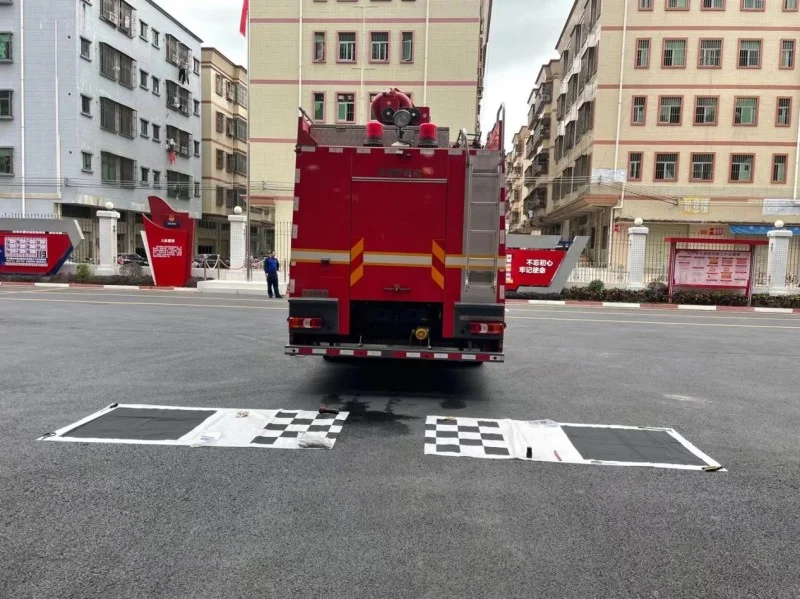
Obstruction of the line of sight by equipment and materials: Fire trucks are equipped with a large number of firefighting equipment and materials, such as ladders, hoses, and fire cannons. These devices may block the driver's line of sight when they are stored and used. For example, after the ladder is raised, it may affect the driver's observation of the rear and sides of the vehicle. Incorrect stacking of hoses may also block part of the driver's line of sight, making it impossible to detect surrounding obstacles or people in a timely manner.
Complex environment at the rescue site: Rescue sites such as fires are often complex. Factors such as smoke and insufficient light will further affect the driver's line of sight and increase the range of blind spots. At the same time, there may be a large number of onlookers, other rescue vehicles, and various obstacles at the scene. When operating the vehicle, the driver needs to take multiple aspects into account, and it is easy to overlook some blind spot areas.
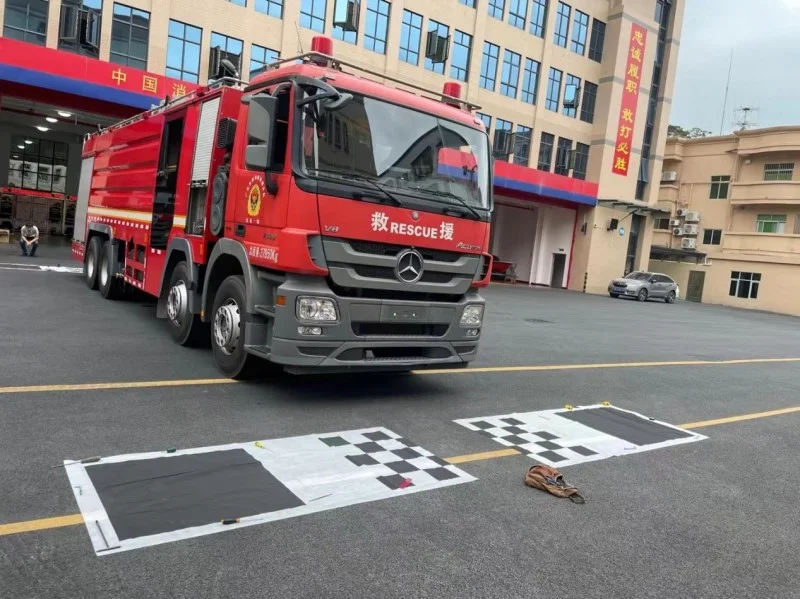
Functionsof our product:
Enhancing driving safety: The 360-degree panoramic system for trucks can enable the driver to clearly see the 360-degree panoramic image around the vehicle during driving, and timely detect pedestrians and vehicles in the blind area, avoiding collision accidents during driving, turning, changing lanes, and reversing, and ensuring driving safety.
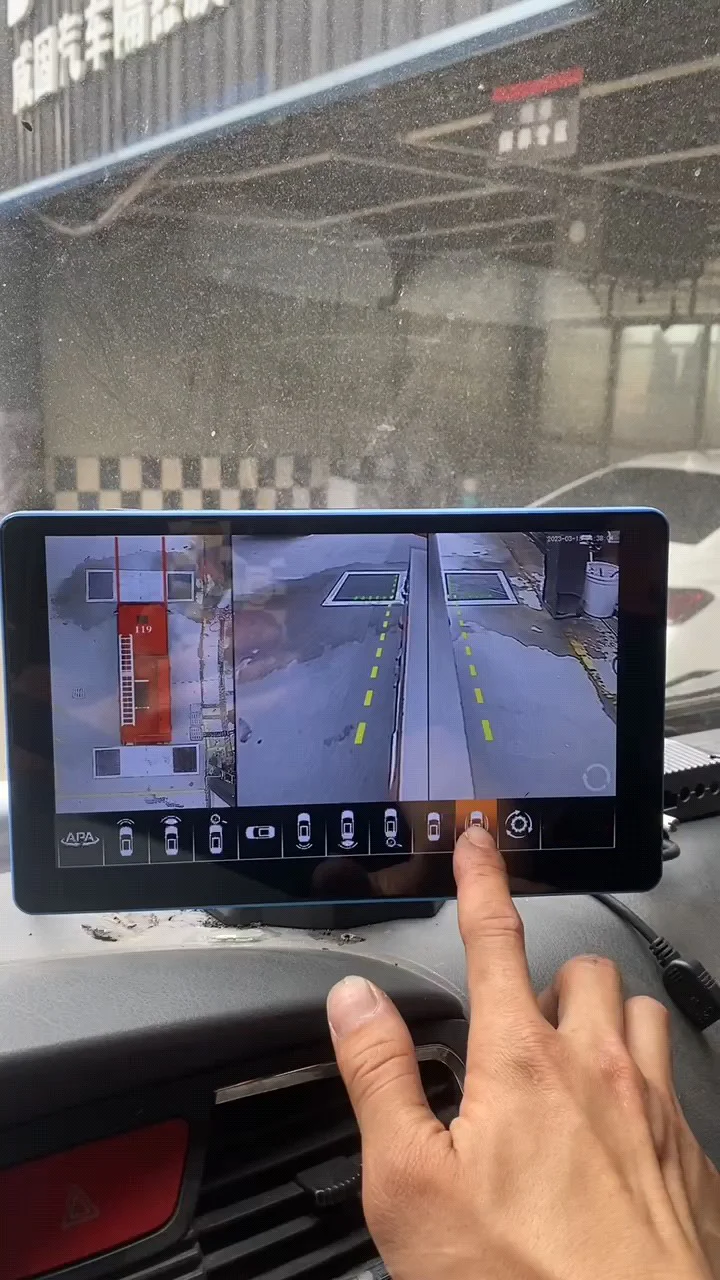
Assisting in precise driving: On the way to the fire scene, when encountering narrow roads, sections with height and width restrictions, or complex traffic environments, the driver can accurately judge the distance between the vehicle and surrounding obstacles based on the panoramic image, and precisely control the vehicle to pass, reducing vehicle damage or delays in rescue caused by misjudgments.
Optimizing on-site operations: After arriving at the rescue site, the fire truck needs to park and carry out operations in a complex environment. The 360-degree panoramic system for trucks can help the driver quickly find a suitable parking position. At the same time, when operating the firefighting equipment, it can monitor the situation around the vehicle in real time, prevent the equipment from colliding with surrounding objects, and ensure the safe and efficient progress of operations.
Installing a 360-degree panoramic system for trucks on fire trucks has many benefits. Firstly, it can eliminate the blind spots at the front, rear, left and right of the vehicle. The driver can intuitively grasp the situation around the vehicle body through the display screen, avoiding collisions with pedestrians, obstacles or other vehicles due to blind spots, and ensuring safety during the rescue journey. Secondly, when performing tasks in narrow streets and complex road conditions, it can assist the driver in precisely controlling the vehicle, quickly and safely reaching the rescue site, and saving valuable rescue time. In addition, in a complex environment at the rescue site, the 360-degree panoramic view can help the driver understand the distance between the vehicle and surrounding equipment and buildings in real time, prevent scratches, ensure the normal use of firefighting equipment, and improve rescue efficiency and safety.